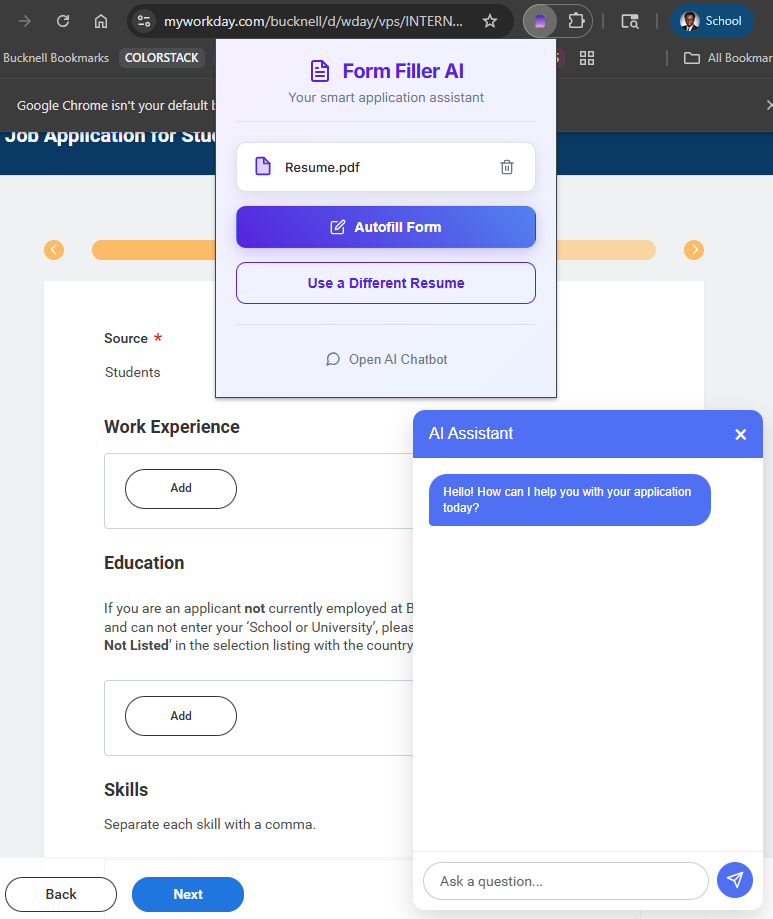
Form Filler AI
Built during the Tapia 2025 Generative AI Hackathon in just 4.5 hours with a team of 7 (Team Job Hackers),
Form Filler AI is a Chrome extension that helps users complete complex forms effortlessly using AI.
It extracts and organizes resume data, auto-fills application fields, improves resume bullet points,
translates resumes into multiple languages, and even celebrates successful submissions with confetti.
Out of 11 projects, our idea stood out and won the hackathon .
This was my first hackathon experience, and I walked away with not only a winning project but also
invaluable teamwork and AI development skills.
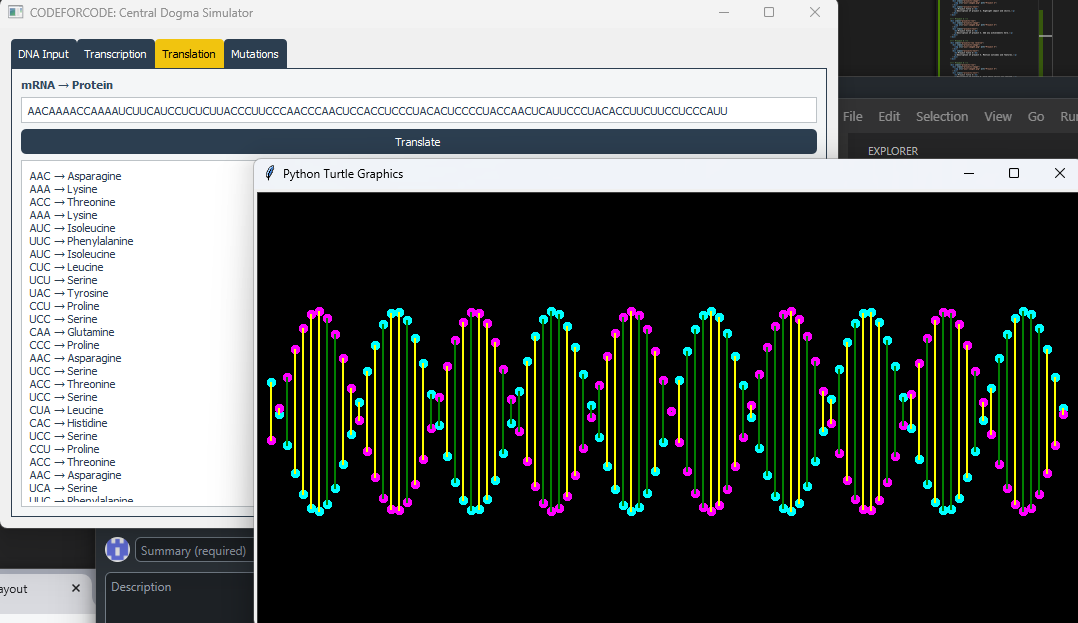
CODEFORCODE – Central Dogma Tool
CODEFORCODE is a standalone software inspired by my BIOL204 class, designed to bring the central dogma of molecular biology to life. It allows users to input non-template DNA sequences, simulate transcription into mRNA and translation into amino acid sequences, and generate graphical representations of DNA, mRNA, and protein structures. The software also supports mutation simulation, enabling users to introduce changes and immediately visualize their effects. With its user-friendly interface, CODEFORCODE makes the analysis and visualization of molecular biology data more intuitive and accessible for students, researchers, and biologists.
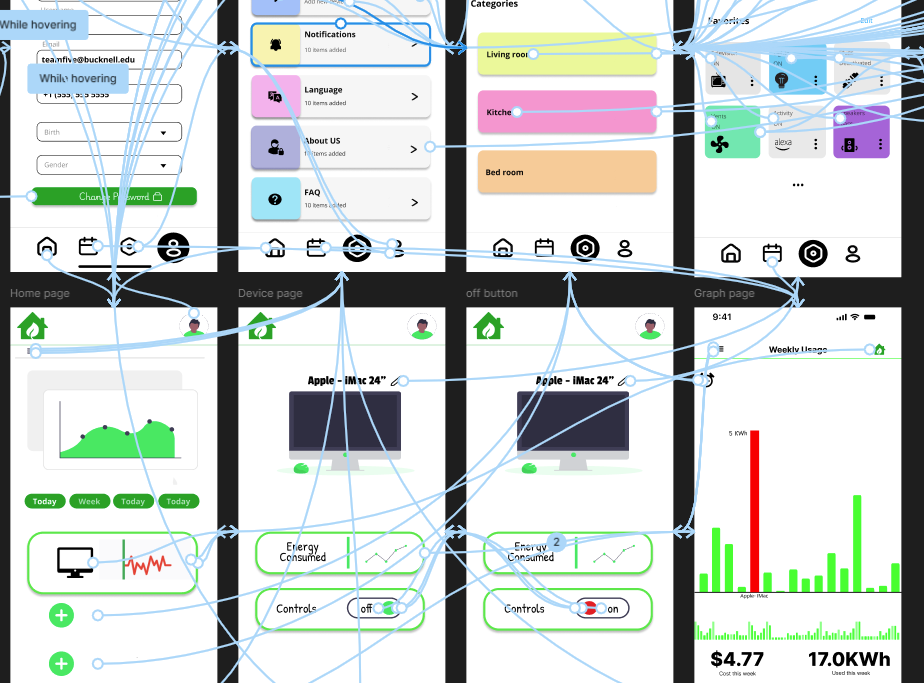
VOLT Sustainability app
Volt is a smart sustainability application designed to monitor and track household electricity usage, with a focus on homes powered by solar panels. Developed as part of a four-person team, I took the lead on UI/UX design, creating all digital previews and prototypes in Figma to showcase the app’s functionality. The app collects and organizes energy consumption data, measures efficiency, and provides insights into sustainable energy use. By combining user-friendly design with meaningful energy analytics, Volt empowers households to better understand and optimize their electricity usage while promoting environmental responsibility.
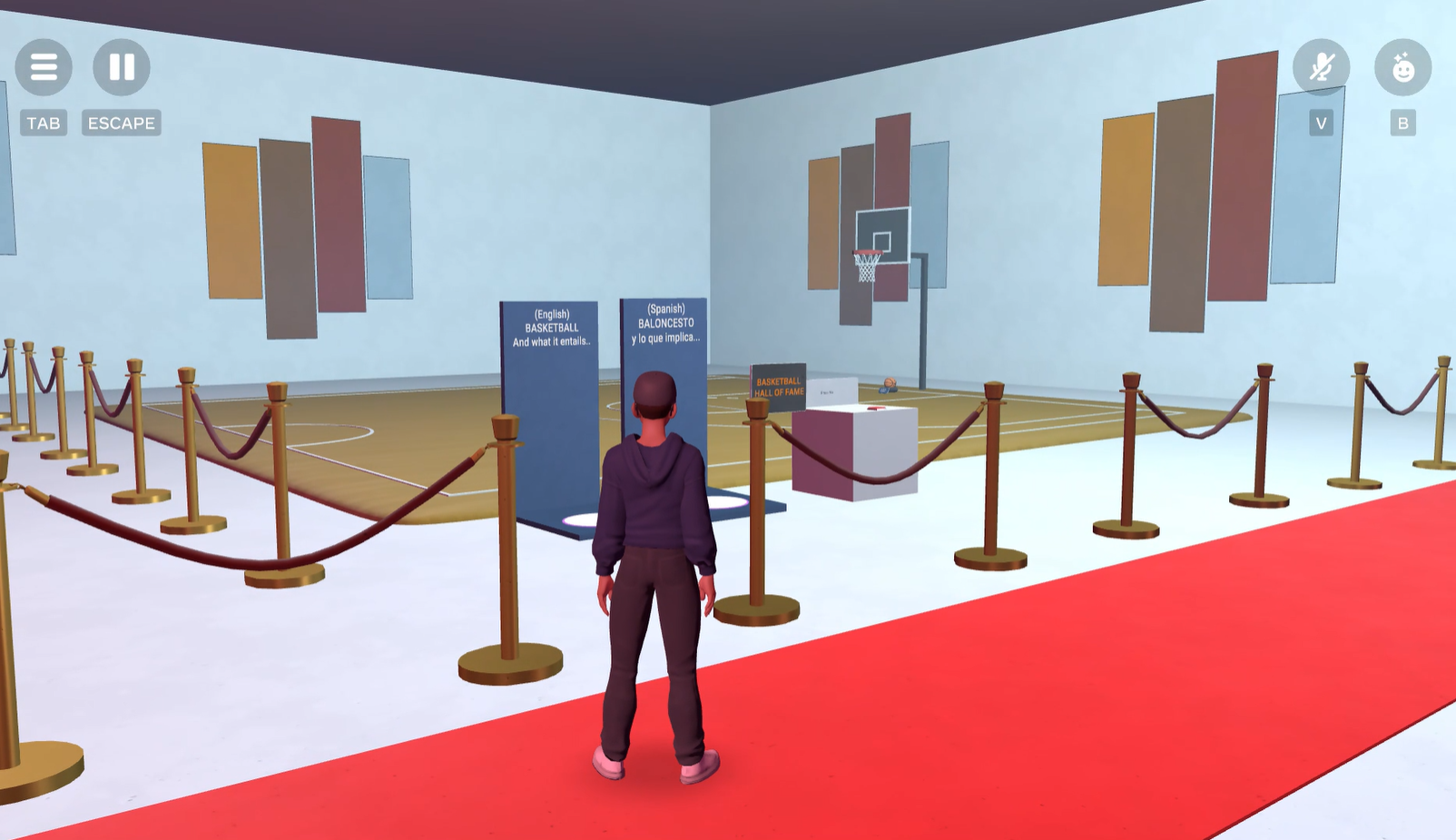
VR Sports Museum
The VR Sports Museum is an immersive virtual reality experience developed in Meta Horizon, designed to bring sports history to life through interactive exhibits. Built with Unity, the project features optimized 3D environments that allow users to smoothly navigate and explore while maintaining high visual fidelity. To enhance comfort and accessibility, I implemented techniques to reduce motion sickness, including optimized frame rates, adjusted field-of-view, and customizable user comfort settings, enabling extended play sessions without fatigue. This project blends technology and sports storytelling, creating a dynamic and engaging environment where users can connect with history in new and interactive ways.


